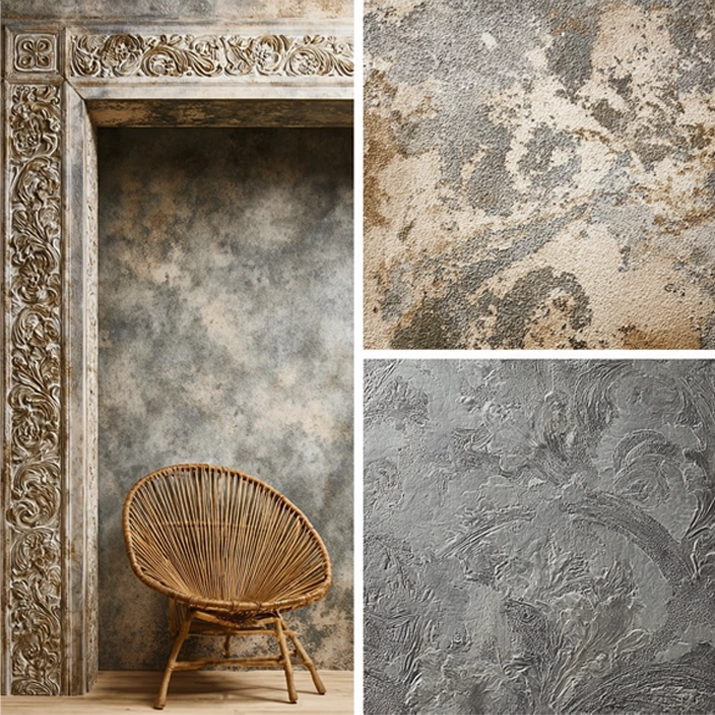
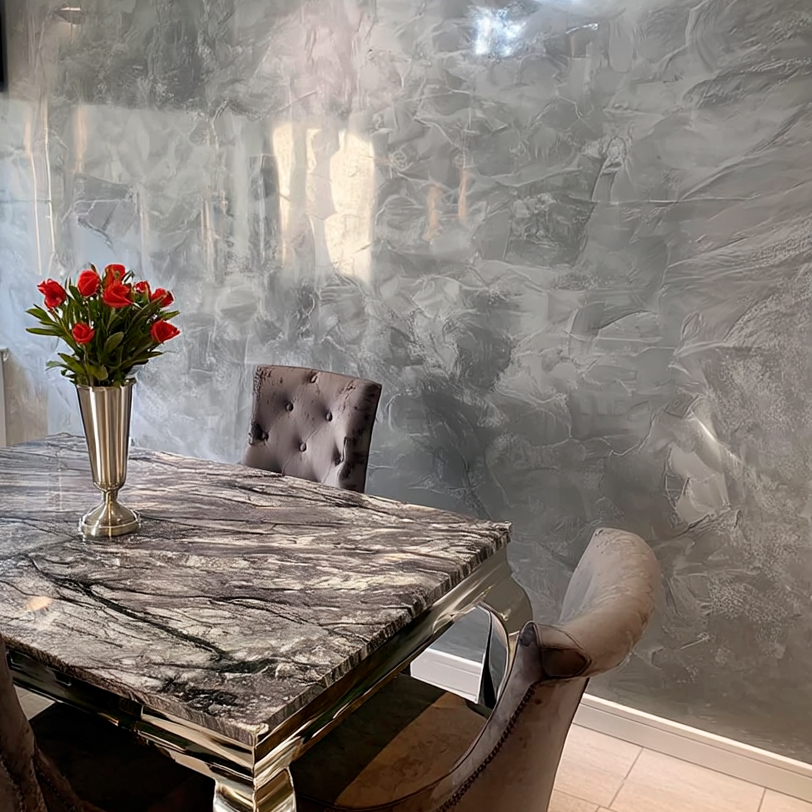
Venetian plaster, renowned for its exquisite finish and rich historical lineage, has roots tracing back to ancient Italy, particularly the region of Sicily. This decorative plastering technique has evolved through the centuries, characterized by its use of slaked lime, marble dust, and natural pigments. The mixture creates a versatile medium that can emulate various textures and appearances, ranging from the highly polished, glossy surfaces of classical architecture to more rustic, matte finishes.
The application of Venetian plaster is an art form in itself. Craftsmen traditionally apply the plaster in multiple thin layers, using a trowel to sculpt and refine the surface. This method not only enhances the aesthetic appeal of the material but also galvanizes its durability, allowing it to withstand the test of time. The unique application technique permits the creation of intricate designs and patterns, transforming walls into works of art that reflect light beautifully.
Venetian plaster's significance extends beyond mere aesthetics; it encapsulates the essence of timeless elegance found in historic structures, such as the palazzos and churches of Venice. The material has been meticulously used by artisans throughout history, offering a glimpse into the cultural heritage of the Italian Renaissance. By utilizing varying techniques, artisans could achieve an array of finishes, from smooth and glass-like surfaces to more tactile, textured appearances that invite touch. Today, architects and interior designers continue to embrace Venetian plaster, recognizing its aesthetic versatility and its ability to imbue spaces with sophistication and warmth.
Applications of Venetian Plaster in Modern Interiors
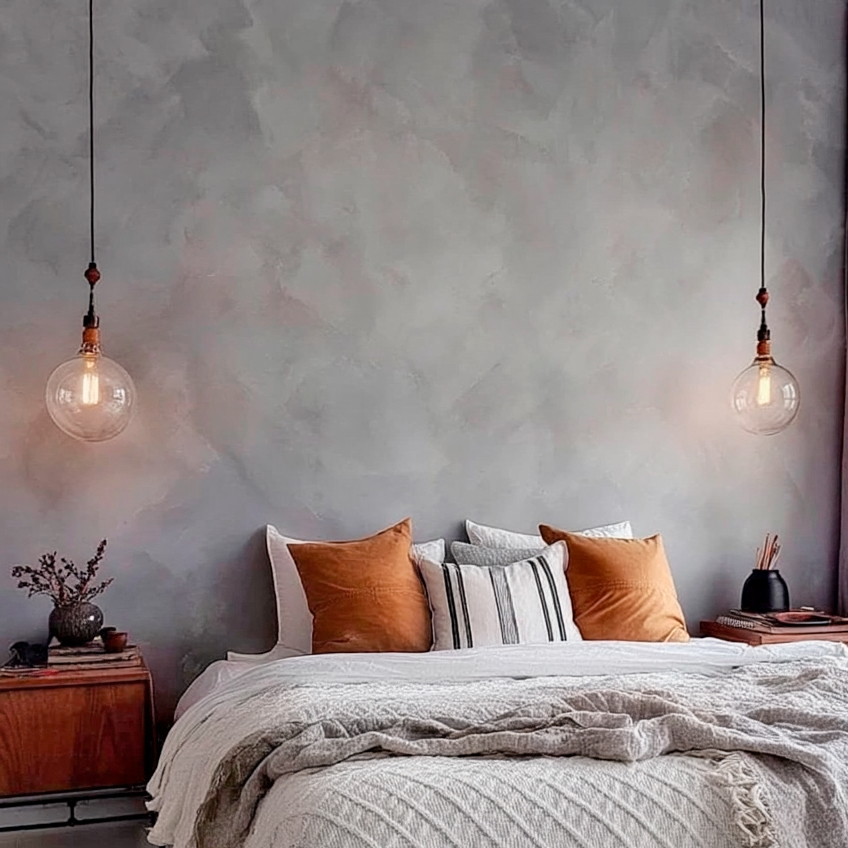
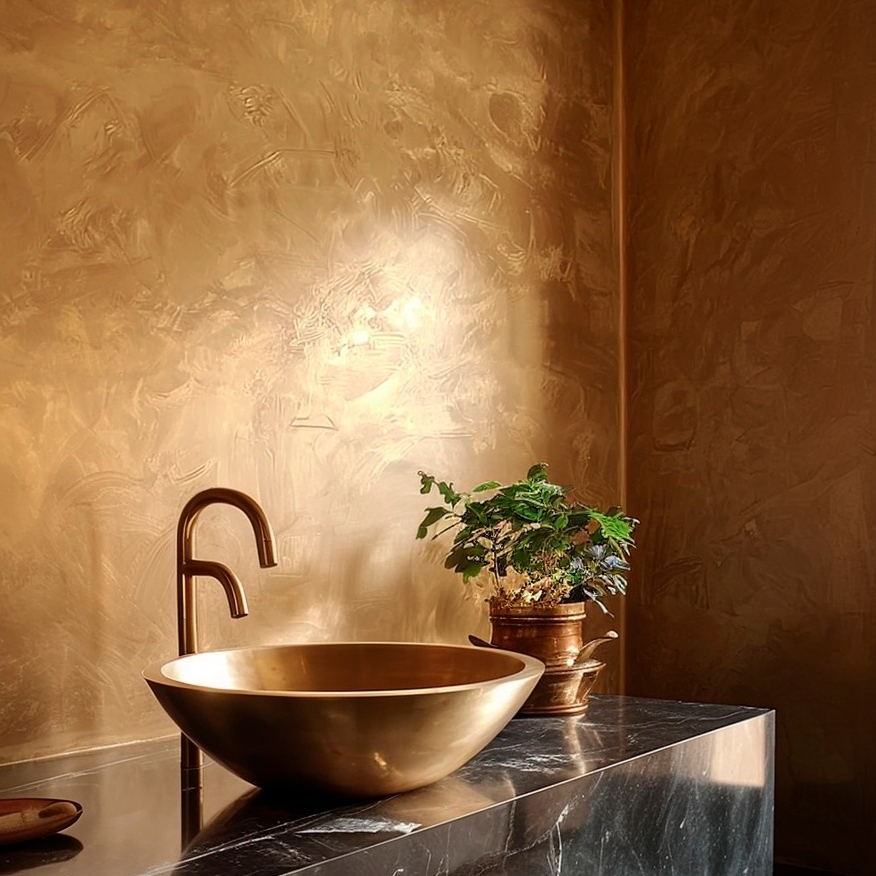
Venetian plaster, recognized for its unique aesthetic qualities and versatility, has firmly established itself as a desirable choice in contemporary interior design. With its rich texture and distinctive finish, it serves as an effective medium for a multitude of applications. Primarily, Venetian plaster is utilized to create stunning wall treatments that can transform ordinary spaces into visually captivating environments. The smooth and polished appearance of this material allows for a sophisticated look that enhances the elegance of both residential and commercial interiors.
In addition to walls, Venetian plaster is often applied to ceilings, contributing a sense of height and grandeur to any room. The reflective quality of plaster can help to brighten spaces by evenly distributing light, making it an exquisite choice for both compact and expansive interiors. Furthermore, architects and designers frequently incorporate Venetian plaster into decorative features such as fireplace surrounds, accent walls, and moldings, allowing for bespoke designs that cater to individual aesthetics.
One of the notable benefits of Venetian plaster is its adaptability to various interior design styles. Whether one seeks to achieve a classic, traditional ambiance or a more contemporary and minimalist look, Venetian plaster seamlessly integrates into diverse architectural themes. Moreover, this plaster's ability to regulate temperature and humidity serves as an additional advantage, offering insulation properties that contribute to enhanced energy efficiency within a built environment.
In commercial settings, Venetian plaster is increasingly being recognized for its practical advantages and aesthetic appeal. The durability of the material makes it suitable for high-traffic spaces while maintaining its visual integrity over time. In summary, the applications of Venetian plaster in modern interiors are vast and varied, reflecting its timeless elegance and functionality across different environments.
Installing Venetian plaster requires specific skills and tools, as well as a thorough understanding of the materials involved. The process typically begins with the selection of high-quality Venetian plaster, which is often composed of slaked lime and marble dust. Before applying the plaster, it is imperative to prepare the surface adequately. This involves cleaning the wall and repairing any existing imperfections to ensure a smooth application.
The installation process consists of multiple layers. First, a primer may be necessary to enhance adhesion, followed by one or two base coats. Using a trowel, the plaster is applied in thin layers, allowing each layer to dry before adding the next. The technique of burnishing, which involves smoothing the surface with a stainless-steel trowel, is crucial for achieving the signature polished look of Venetian plaster. The final layer can be finished with a wax or protective sealer to enhance durability and sheen.
After installation, the maintenance of Venetian plaster is vital to preserving its aesthetic appeal. Regular cleaning is essential, but it should be done gently to prevent scratches. A soft, dry cloth is recommended for dusting, while a damp cloth can be used for deeper cleaning, ensuring no harsh chemicals are applied that could damage the finish.
Furthermore, inspecting the plaster periodically for cracks or chips is advisable. If any damage occurs, it can often be repaired by patching with a similar Venetian plaster mix and re-burnishing the surface. To prevent future damage, it is prudent to maintain a stable indoor environment, avoiding excessive moisture or extreme temperature fluctuations that could compromise the integrity of the plaster.
Choosing the Right Venetian Plaster for Your Project
When selecting the right Venetian plaster for your project, several factors should be taken into consideration to ensure the final finish enhances the overall aesthetic of your space. Venetian plaster is available in a variety of styles, colors, and finishes, allowing for a custom look that can complement existing decor. Each type of plaster has its unique characteristics, which can significantly affect the ambiance of a room.
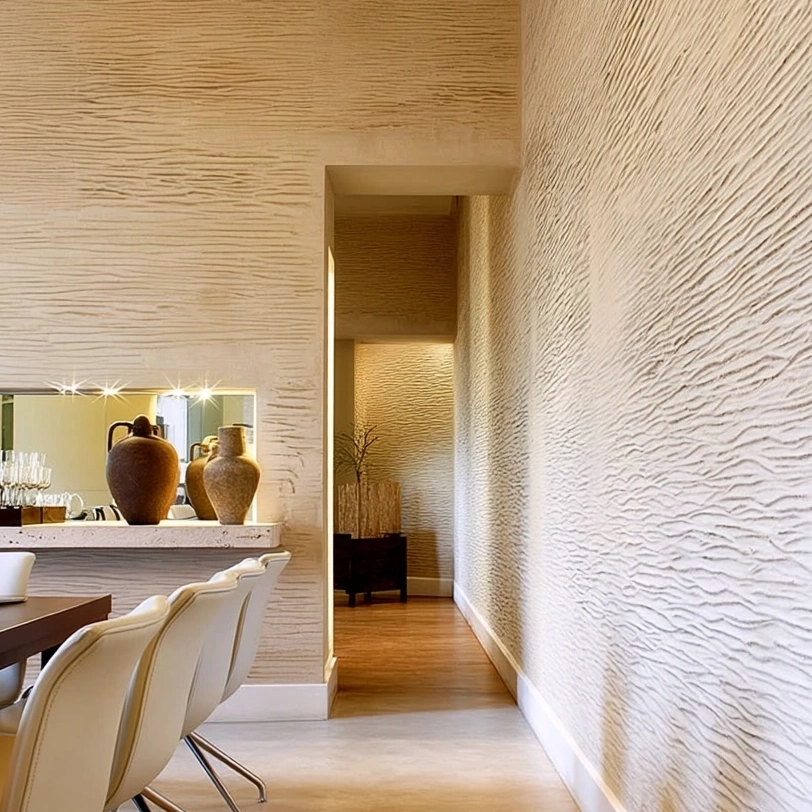
Firstly, consider the style you wish to achieve. Traditional Venetian plaster typically features a smooth, high-gloss finish, exuding elegance and sophistication, while more modern interpretations might incorporate textures or matte finishes to create a more contemporary appearance. Furthermore, the color palette available for Venetian plaster can be extensive, ranging from soft, muted tones to vibrant shades. It is advisable to examine samples on-site, in natural and artificial lighting, to find a hue that resonates with your vision.
Another critical aspect is the compatibility of the plaster with your existing decor. Assess the materials and colors already present in the room and select a Venetian plaster that harmonizes with them, ensuring a cohesive design. Additionally, consider the scale and proportions of the room; darker colors may create a cozy atmosphere in larger spaces, whereas lighter shades can help smaller areas feel more expansive.
When it comes to installation, employing a qualified professional can make a significant difference in the outcome of your Venetian plaster application. While DIY projects can be rewarding, the complexity of Venetian plaster techniques often requires skilled craftsmanship to achieve the desired result. Assessing the quality of materials is also essential; look for high-quality, breathable products to ensure durability and aesthetics.
In conclusion, choosing the right Venetian plaster involves careful consideration of style, color, existing decor, and professional installation. By taking these factors into account, you can ensure your project achieves a timeless elegance that enhances your environment.










 +1 (415) 832-9839