



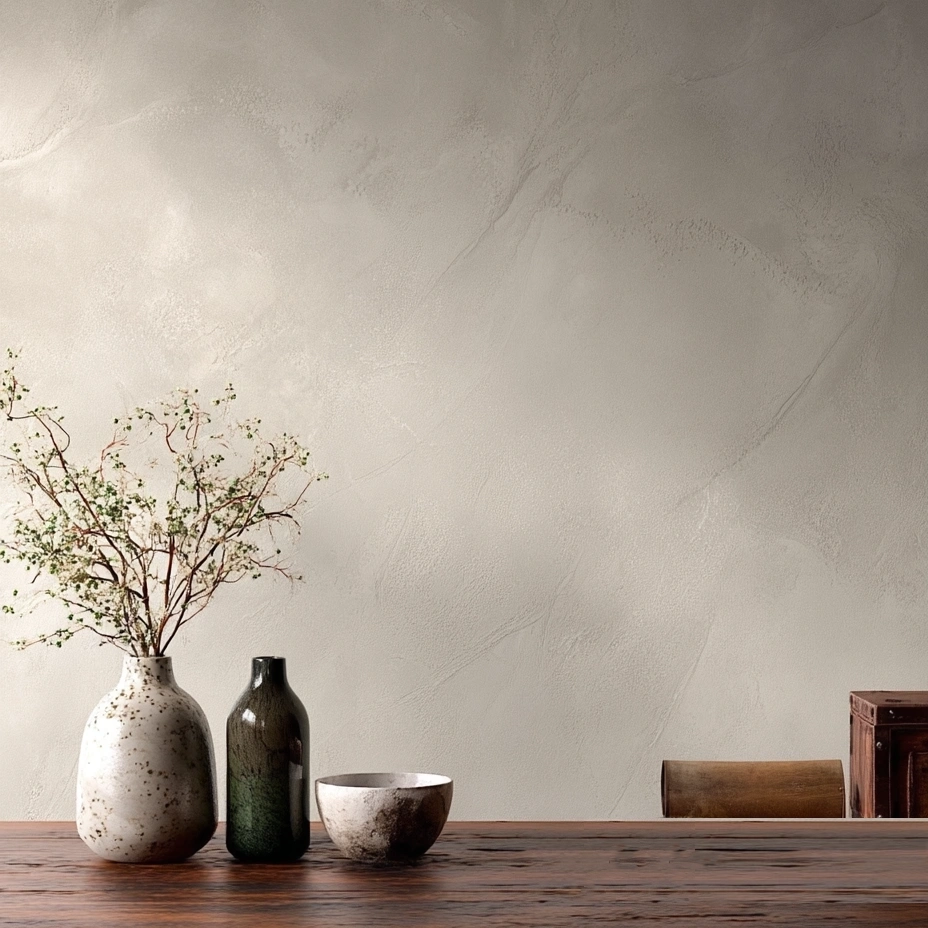
Marmorino plaster traces its origins back to ancient Rome, where artisans developed a variety of plaster techniques to create intricate wall finishes. This traditional plastering method is composed primarily of slaked lime and natural marble dust, which gives it a distinctive texture and finish. Historically, Marmorino was used to mimic the appearance of marble in grand architectural structures, serving both aesthetic and practical purposes.
One of the key characteristics of Marmorino plaster is its ability to achieve a high level of durability while remaining breathable. This feature is essential in preventing moisture buildup within walls, making it an ideal choice for various climates. The blend of lime and marble dust not only contributes to its strength but also enhances its environmental suitability, allowing it to age beautifully over time.








Types of Marmorino Plaster
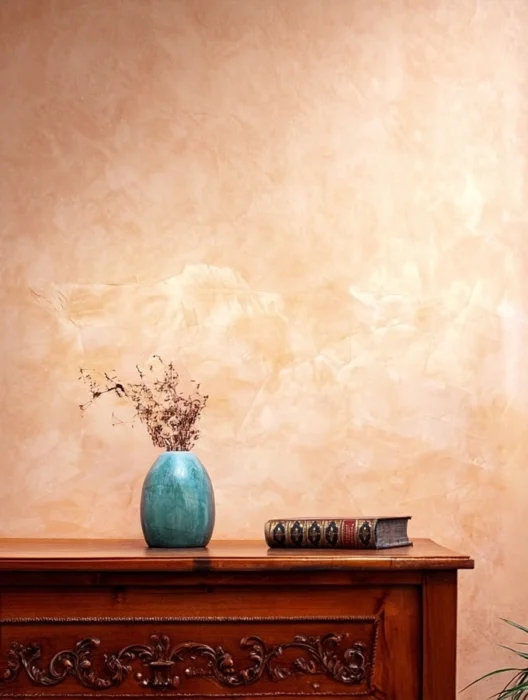
Marmorino plaster is renowned for its ability to seamlessly combine aesthetics with functionality. In exploring the various types of Marmorino plaster available by Design Offer, it is essential to understand the unique characteristics and applications of each variant.
The first type is fine Marmorino, which is distinguished by its smooth, glossy surface. This type is notably admired for its reflective qualities that create a beautiful play of light across walls. The application of fine Marmorino is ideal for interiors where elegance is paramount. It is often used in spaces like living rooms and dining areas, as its reflective finish can enhance both natural and artificial lighting.
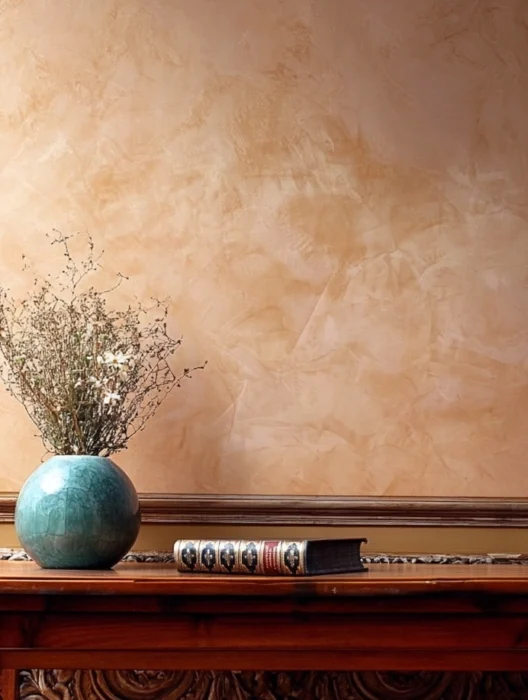
Next, we have classic Marmorino, which features a larger grain of marble embedded within the plaster. This type showcases a more textured appearance while still maintaining a polished look. The craftsmanship involved in creating classic Marmorino is elaborate, making it a choice for sophisticated environments such as galleries or high-end commercial spaces. Its durability and versatility allow it to be applied to both walls and ceilings, providing a unique character to any room.
Lastly, the coarser Marmorino resembles modern tadelakts, characterized by a more rugged texture. This type has a matte finish that adds an element of natural beauty and warmth to the space. Coarse Marmorino is well-suited for areas such as kitchens and bathrooms, where a robust yet attractive surface is necessary. Additionally, its resistance to moisture makes it an excellent choice for these environments, offering both style and practicality.
Understanding the different types of Marmorino plaster and their respective finishes can help homeowners and designers make informed decisions in their decorative projects, ultimately enhancing the sophistication of their spaces.
The application of marmorino plaster involves various techniques that can dramatically influence the final appearance of the surface. As a versatile decorative finish, understanding these techniques is essential for artisans aiming to achieve spectacular results. The initial step involves preparing a smooth and clean substrate, which may include walls or ceilings made of plasterboard, concrete, or masonry. Proper preparation is vital since it significantly impacts adhesion and finish quality.
One of the primary tools needed for applying marmorino plaster is a trowel. The choice of trowel affects the texture; for instance, a stainless steel trowel is often preferred for fine marmorino, providing a smooth and polished finish. Alternatively, a plastic trowel can be used for coarser mixes, helping to create a more matte appearance. When applying the first layer, known as the scratch coat, it is essential to use even pressure and consistent strokes to ensure an even application. Allow this layer to dry completely before proceeding.
After the scratch coat, a thinner layer known as the finish coat is applied. Techniques such as burnishing will enhance the glossy effects of fine marmorino plaster. This is achieved by using a trowel to gradually polish the surface after the application is completed, creating a sophisticated sheen. For those who prefer a satin-like finish, less pressure during this burnishing process will yield a softer look.
In addition to these techniques, practicing patience is crucial. Marmorino plaster requires time to dry between layers to achieve the desired depth and richness in color. Moreover, experimenting with different application styles and finishes can result in unique outcomes, making each project distinct. Familiarizing oneself with the material is recommended; thus, artisans should consider practicing on sample boards before undertaking large projects to hone their skills effectively.
Marmorino plaster, with its rich texture and subtle sheen, offers a multitude of design possibilities that can elevate any space. This versatile material is particularly notable for its compatibility with various architectural styles and interior designs, making it a favored choice among designers and homeowners alike. Whether aiming to achieve classic elegance or modern minimalism, marmorino plaster can seamlessly blend into diverse environments, enhancing overall aesthetics.
For traditional spaces, marmorino can evoke a sense of timelessness. Soft, muted tones, such as ivory or muted beige, can be applied to walls, creating a warm and inviting atmosphere that complements classic wooden furnishings and ornate decorative elements. Furthermore, the unique technique of layering allows for intricate detailing, adding depth and sophistication to the finish. On the other hand, for those leaning towards contemporary styles, bold and vibrant colors can be utilized, resulting in striking focal points within open-plan living areas.
One of the significant advantages of marmorino plaster is its ability to create various decorative effects, transforming a smooth wall into a textured masterpiece. Techniques such as spatula application enable the creation of stunning gradients and tones, which can evoke feelings of tranquility or stimulate creativity, depending on the choice of colors used. Darker shades can lend a dramatic flair to urban lofts, while light, pastel hues enhance serenity in coastal interiors.
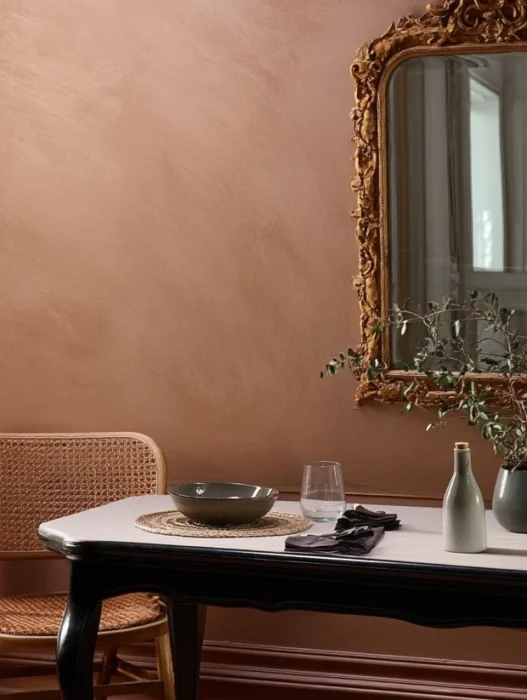
Additionally, the malleable nature of marmorino plaster allows it to contribute significantly to the ambiance of a space. In dining areas, for instance, a warm, rich finish can promote a sense of intimacy, while brighter, reflective surfaces can create a lively environment suitable for social interactions. With its various applications and inspirational outcomes, marmorino plaster genuinely stands as a transformative material capable of enriching any design narrative.

SERVICE AREA
Miami, Aventura , Bal Harbour , Boca Raton , Coconut Grove , Coral Gables , Delray Beach , Fisher Island , Fort Lauderdale , Golden Beach , Highland Beach , Hillsboro Beach , Jacksonville , Jupiter , Key Biscayne , Lighthouse Point , Manalapan , Orlando , Palm Beach , Parkland , South Florida

