



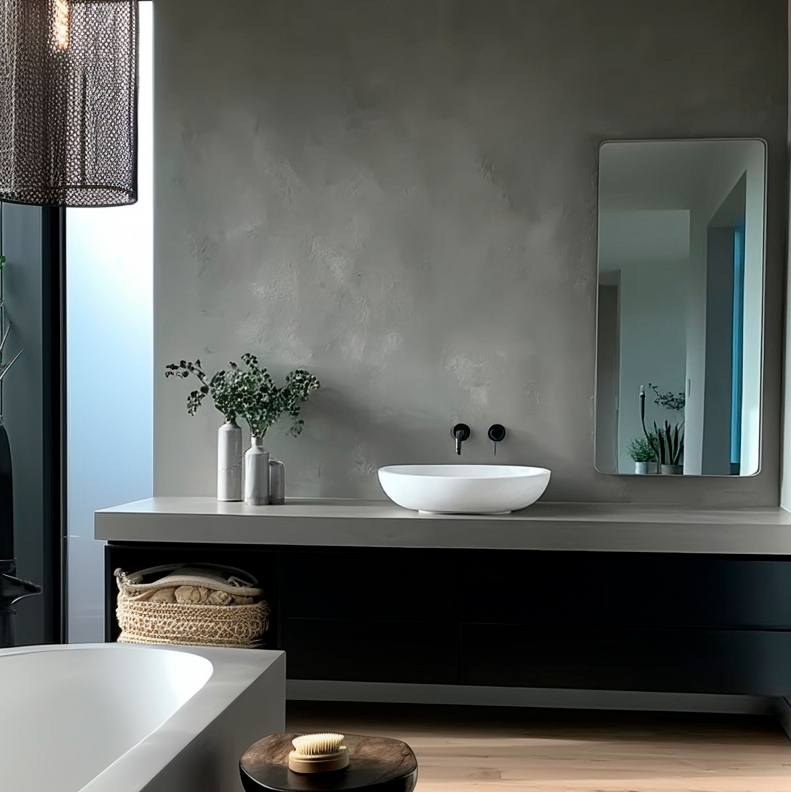
Venetian stucco intonachino is a unique decorative plaster technique that has gained prominence in the world of craftsmanship, particularly in Italy. This art form has historical roots that trace back to the Venetian Renaissance, a period renowned for its innovation in building materials and decorative arts. The application of Venetian stucco involves a mixture of slaked lime, marble dust, and pigments, allowing for a versatile finish that can mimic the appearance of polished stone or create intricate textured surfaces.
Unlike traditional plastering techniques, which typically utilize gypsum or cement-based materials, Venetian stucco intonachino relies on lime as its primary binder. This compositional choice contributes not only to its durability and breathability but also to the aesthetically pleasing finishes that can be achieved. The two distinctive forms of this plaster are fine and coarse stucco. Fine stucco is characterized by its smooth and glossy appearance, ideal for creating elegant and sophisticated indoor environments. In contrast, coarse stucco features a more textured surface, perfect for adding depth and character to exterior designs.
The appeal of Venetian stucco intonachino lies in its ability to create various antique effects that enhance the overall aesthetic of a space. Its application requires skilled artisans who understand the nuances of layering and polishing, as well as how to manipulate light and shadow to highlight the natural variations in color and texture. This craftsmanship not only elevates the value of property but also connects the modern world to the historical elegance of Venetian architecture, showcasing a timeless art form that continues to inspire both designers and homeowners.


To achieve the distinctive and deeply pitted finish of Venetian stucco intonachino, several techniques and tools play pivotal roles in the application process. One of the first elements to consider is the choice of the base compound, which is typically made from lime and marble powder. This natural material lends itself well to creating both a matte pitted finish and a smooth surface, depending on the application method.
The application starts with preparing the wall surface, ensuring it is clean and free from any imperfections that could interfere with the adhesion of the stucco. Once the base is ready, the painter can either apply the plaster in multiple thin coats for a matte finish or opt for a single thicker layer for a more polished look. Tools such as trowels and spatulas are fundamental in this process. The use of stainless steel trowels will allow for smoother and more durable applications.
After the initial application, the artisan can then begin to manipulate the surface texture, which is crucial in determining the depth of the pitting. A specialized tool known as a “marmorino” trowel can be used to create various textures, from coarse to fine. To achieve deeper pitting, one might employ a technique where the plaster is lightly scraped or dimpled before the final curing phase. It is important to control the timing; applying the texture too early or too late may prevent the ideal outcome.
For additional insights, experimenting with different tools, such as brushes or combs, can provide unique texture variations. Additionally, one should access the environment, ensuring adequate humidity and temperature levels for optimal curing. Through deft applied techniques and the right tools, artisans can create stunning Venetian plaster finishes that range from rustic charm to elegant sophistication.
To achieve a captivating velato finish on Venetian stucco intonachino, enhancing the surface with strategic color washes is essential. The velato technique involves applying multiple layers of translucent pigments to create depth and visual intrigue, allowing for a rich interplay of light and shadow. By selecting a suitable color palette, one can influence the ambiance of the space dramatically. Warm hues can impart a cozy and inviting atmosphere, while cooler tones often evoke calmness and serenity.
When applying color washes, layering is a crucial factor. Each layer of color not only contributes to the aesthetic appeal but also enhances the cohesiveness of the overall design. A common approach is to apply a base coat of neutral color, followed by one or multiple layers of pigmented washes. This process not only enriches the texture but also allows for the underlying nuances of the Venetian plaster to shine through, exemplifying the beauty of this ancient technique.
The interaction between these layers and the illumination of the environment plays a significant role in achieving the desired velato effect. Natural light can amplify the subtleties of the colors, while artificial lighting can shift the perception of the hues, offering varied experiences throughout the day. It is often recommended to experiment with different lighting conditions prior to finalizing the color decisions, enabling an informed choice that enhances the qualities of the Venetian stucco finish.
Utilizing the velato finish not only elevates the aesthetic quality of Venetian stucco but also emphasizes its unique characteristics. The careful consideration of color, layering techniques, and the impact of lighting ultimately leads to a personalized space that resonates with individual style and preferences.
Venetian stucco intonachino has garnered attention for its versatility, making it an excellent choice for both interior and exterior applications. The rich texture and aesthetic appeal of this material are enhanced when applied skillfully, allowing it to elevate the design of various spaces. In interior settings, Venetian stucco can create dramatic wall finishes, ceilings, and even intricate moldings, presenting an opportunity for personal expression while maintaining an element of sophistication. The reflective qualities of its polished surface can also contribute to improved lighting within a room.
When utilized for exterior applications, Venetian stucco intonachino offers durability and weather resistance. These properties allow it to withstand varying environmental conditions, making it suitable for both residential and commercial structures. Proper surface preparation is crucial for achieving optimal results; this involves ensuring that the substrate is clean, dry, and structurally sound before application. Furthermore, the compatibility of the stucco with existing materials needs to be assessed, especially in historical restorations.
Environmental considerations are vital during the application process. Factors such as humidity, temperature, and exposure to direct sunlight can significantly affect the curing process. Therefore, it is advisable to apply Venetian stucco intonachino during moderate weather conditions to ensure adequate curing and binding of the materials. It is also recommended to follow specific curing techniques to promote long-lasting resilience and maintain its appealing finish.
Successful implementations of Venetian stucco are visible in various projects worldwide, showcasing its adaptability and timeless elegance. From luxurious interior designs in private residences to charming storefronts adorned with intricate stucco patterns, the applications are boundless. As a result, the careful consideration of application methods and environmental factors is pivotal for achieving the desired outcome in any project utilizing this unique material.

SERVICE AREA
Miami, Aventura , Bal Harbour , Boca Raton , Coconut Grove , Coral Gables , Delray Beach , Fisher Island , Fort Lauderdale , Golden Beach , Highland Beach , Hillsboro Beach , Jacksonville , Jupiter , Key Biscayne , Lighthouse Point , Manalapan , Orlando , Palm Beach , Parkland , South Florida

