



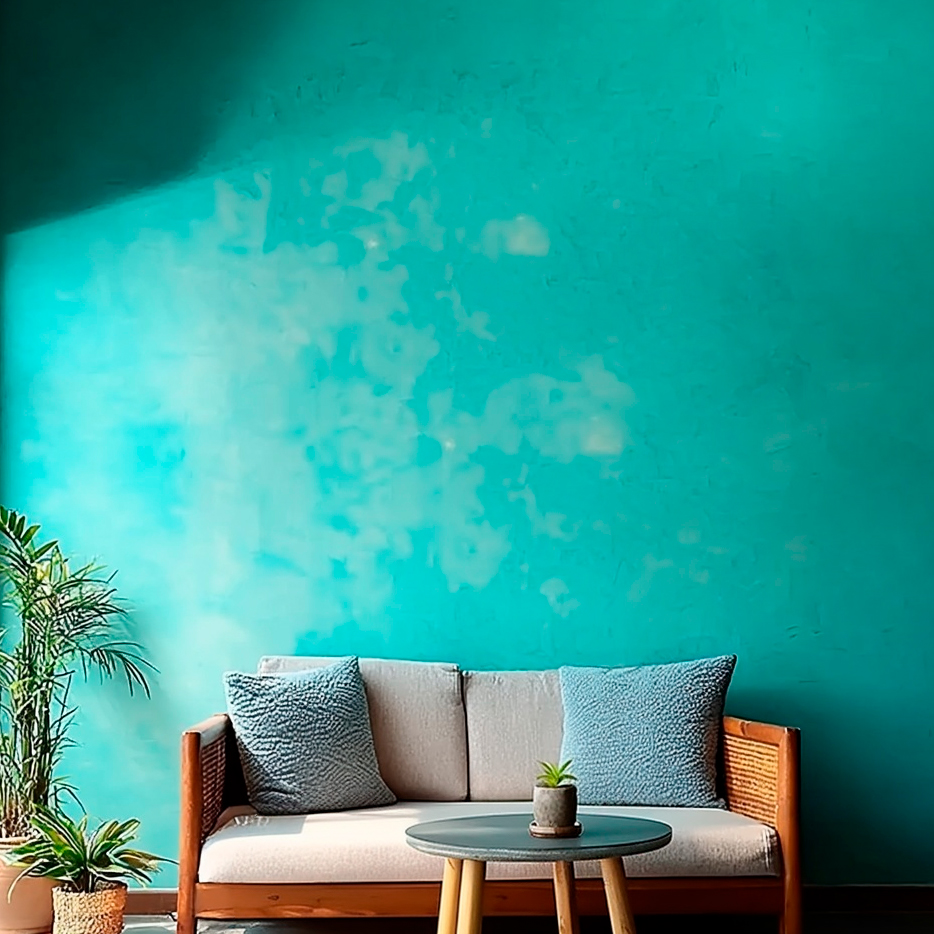


Limewash texture paint has garnered attention for its extensive advantages in both interior and exterior home applications. One of its most significant benefits is its breathability. Unlike conventional paints that can trap moisture, limewash allows walls to breathe, enabling the escape of trapped vapors. This characteristic is paramount in preventing moisture build-up, thereby reducing the risk of mold and mildew that can compromise structural integrity and air quality.
Additionally, limewash possesses a natural aesthetic appeal that enhances the beauty of various surfaces. Its soft, matte finish offers a unique look that can vary depending on application techniques and surface texture. Homeowners often appreciate the way limewash reflects light, creating an dynamic appearance that changes throughout the day. This variative quality means that each application can yield a distinct look, enhancing the overall charm of a property.
Environmental consciousness is another compelling reason to opt for limewash texture paint. Limewash is made from natural materials, chiefly lime, which is abundant and sustainable. Its production requires less energy compared to industrial paints, contributing to a lower carbon footprint. Furthermore, limewash is non-toxic and does not emit harmful VOCs (Volatile Organic Compounds), making it a healthier option for indoor environments.
Lastly, limewash is known for its longevity and ability to age gracefully. Over time, it can develop a unique patina, enhancing a home’s character rather than detracting from it. This aging process showcases the inherent beauty of limewash texture paint and allows it to blend seamlessly into its surroundings, maintaining its aesthetic appeal for years to come.
Applying limewash texture paint effectively requires thoughtful preparation and adherence to proper techniques, ensuring a successful and aesthetically pleasing finish. Before beginning, it is vital to prepare the surface, as this will significantly impact adhesion and the overall texture of the limewash. Surfaces should be clean, dry, and free from dust or old paint layers. For best results, it is advisable to slightly dampen the surface with water to improve the absorption of the limewash.
Several tools are essential for the application of limewash texture paint. A natural bristle brush is typically recommended for achieving traditional finishes, as it allows for excellent texture and coverage. Alternatively, for faster application, a roller can be used, though it may result in a different final appearance. Additionally, a paint sprayer specifically designed for thicker mediums can be used for larger areas, although careful technique is needed to avoid overspray.
The application process can be undertaken in a few simple steps. Start by mixing the limewash thoroughly to ensure a uniform consistency. Once ready, begin applying the limewash from the top of the wall, working your way down to avoid drips. Apply the product in a thin layer using long, even strokes, and allow each coat to dry before applying additional layers. For achieving various looks, consider techniques like sponge application, where sponges are used to create a textured effect, or layering different color washes to add depth and warmth.
To maintain the beauty of limewash paint, periodic upkeep is necessary. Inspect the surface for any areas showing wear or loss of color, and touch up as needed. Regular cleaning with a damp cloth will help preserve its appearance and prolong the lifespan of the limewash, maintaining its inviting and rustic charm over time.
Limewash texture paint has been an integral part of architectural aesthetics for centuries, and its versatility allows it to harmonize seamlessly with various design styles. One finds that limewash can elevate both traditional and contemporary spaces, offering a unique blend of authenticity and modernity.
For those looking to enhance rustic farmhouse aesthetics, limewash provides an earthy, textured finish that adds warmth and character to exterior walls. Visualize a classic white or soft pastel shade on the facade, creating an inviting atmosphere that resonates with the natural surroundings. Pairing limewash with wooden elements, such as reclaimed barn doors or exposed beams, further accentuates the rustic charm and creates a cohesive design.
In contrast, limewash can also be an exciting element in a modern urban loft. Opting for bolder hues, such as deep blues or rich terracottas, can serve as an accent wall that introduces depth and personality to open-concept living spaces. The matte finish of limewash complements industrial materials like concrete and metal, offering a sophisticated edge to the overall aesthetic.
Another intriguing application is the use of limewash in outdoor spaces. Imagine a beautifully executed limewashed patio that integrates seamlessly with surrounding gardens. Combining limewash with natural stone features or vibrant foliage creates a serene retreat that encourages relaxation and socialization.
Additionally, incorporating limewash into interiors, such as kitchens and bathrooms, can enhance the atmosphere with its breathable properties and stunning finish. A limewashed backsplash, for instance, can become a conversation starter while providing durability in high-moisture areas.
Ultimately, limewash texture paint stands out as a versatile option that caters to various design inspirations. By embracing the unique qualities of limewash, homeowners and designers can create personalized and captivating spaces that reflect their styles and preferences.

SERVICE AREA
Miami, Aventura , Bal Harbour , Boca Raton , Coconut Grove , Coral Gables , Delray Beach , Fisher Island , Fort Lauderdale , Golden Beach , Highland Beach , Hillsboro Beach , Jacksonville , Jupiter , Key Biscayne , Lighthouse Point , Manalapan , Orlando , Palm Beach , Parkland , South Florida

