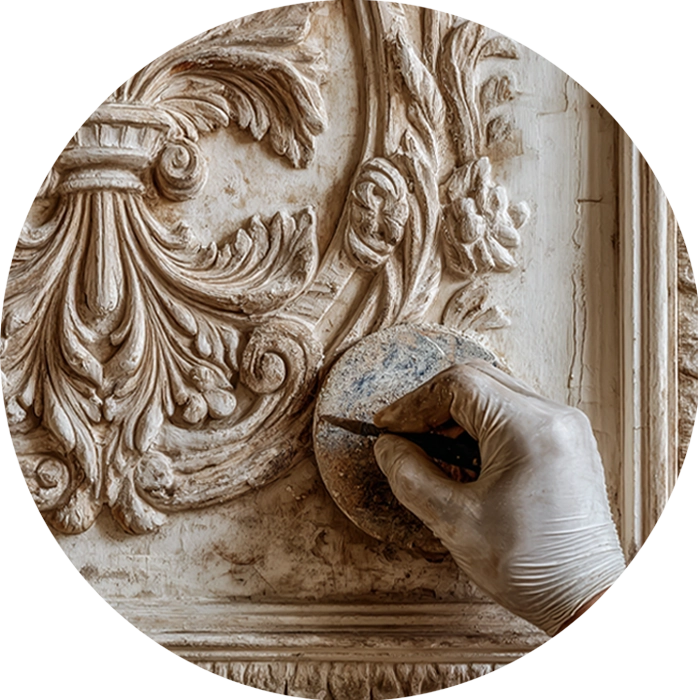
Decorative Plaster Restoration
Decorative plaster finishes have long been heralded as a vital element in architectural design, particularly in South Florida, where the interplay of light and shadow can enhance a structure’s allure. These finishes comprise a blend of various plaster materials that, when applied intricately, transform mere walls into captivating visual statements. Historically, decorative plaster has roots in ancient civilizations, serving not only as a functional element but as an art form, reflecting the cultural and stylistic preferences of the period.
The aesthetic appeal of decorative plaster finishes lies in their ability to add texture and depth, thus accentuating the architectural features of facades. Textured and smooth finishes alike can evoke a sense of sophistication, while intricate patterns often embody the elegance characteristic of Mediterranean and Colonial styles found throughout the region. Variations such as stucco, tadelakt, and Venetian plaster represent just a few of the diverse options available, each contributing distinctive effects that elevate a building’s exterior appearance.
The materials used in decorative plaster applications are essential in determining both durability and visual outcome. Commonly, lime and gypsum-based plasters are preferred for their malleability and breathability, allowing structures to manage moisture effectively—a critical factor in South Florida’s humid climate. Techniques such as hand troweling and the use of specialized tools enable artisans to create unique finishes that not only beautify but also protect surfaces from environmental elements. Moreover, these plaster finishes necessitate skilled application, ensuring longevity and minimal maintenance, which are paramount benefits for property owners aiming to preserve their investments.
In summary, decorative plaster finishes exemplify a harmonious blend of history, artistry, and function, making them an invaluable addition to any architectural endeavor in South Florida.
The Importance of Restoration in South Florida’s Climate
South Florida’s unique climate presents specific challenges that can significantly affect decorative plaster facades. One of the most notable factors is humidity, which often reaches high levels throughout the year. This can lead to the expansion and contraction of plaster materials, making them susceptible to cracking and deterioration. Additionally, the presence of salt air from the nearby coast intensifies the wear and tear on plaster finishes. Salt deposits can settle onto surfaces, promoting corrosion and hastening structural weakness if left unaddressed.
Furthermore, the intense sunlight in South Florida can cause further degradation of decorative plaster. Prolonged exposure to ultraviolet rays can fade colors and weaken the plaster over time, making restoration not just beneficial but essential for maintaining aesthetic appeal. As the sun bakes the exterior surfaces, it can also lead to a loss of adhesion, leaving facades vulnerable to peeling and flaking.
Timely restoration of decorative plaster is crucial for preserving both the structural integrity and visual charm of homes in South Florida. Homeowners should recognize the signs of wear early and seek professional assistance to protect their investments effectively. Regular maintenance practices—such as cleaning surfaces, applying sealants, and conducting inspections—can play a critical role in prolonging the lifespan of plaster finishes.
In addition to immediate restoration efforts, preventive measures can greatly enhance the longevity of plaster facades. Homeowners are encouraged to consider the installation of awnings or shades to limit sun exposure and reduce the heating of plaster surfaces. Keeping gutters clear of debris and ensuring proper drainage will also reduce water infiltration, a common issue exacerbated by South Florida’s heavy rainfall. By implementing these strategies, homeowners can help safeguard their plaster facades from the harsh climate, ensuring their homes remain both beautiful and resilient.
Transforming Spaces: The Aesthetic Impact of Restoration on Facades
The aesthetic transformation of a property through decorative plaster restoration can significantly enhance its visual appeal and value. In South Florida, where architecture often reflects a blend of Mediterranean and modern influences, refined plaster finishes are essential. These decorative elements not only provide texture and depth but also serve as a canvas for creativity, embodying the distinctive charm of the region.
Color palette selection plays a crucial role in the overall impact of plaster restoration. Soft pastels, vibrant hues, or classic whites can dramatically alter the facade’s character, attracting the eye and inviting admiration. For a timeless look, neutral colors paired with rich textures can evoke elegance, while bold shades can modernize a home and highlight architectural features. Ultimately, the choice of color and texture should resonate with the surrounding environment and architectural style.
Current trends in plaster finishes, such as lime wash, Venetian plaster, and textured stucco, further amplify the restoration’s effect. These finishes not only enhance curb appeal but also allow for various design expressions, from vintage to contemporary. Before-and-after showcases illustrate the profound changes achievable through professional restoration, often revealing a property that is unrecognizable from its former state. Such transformations exemplify how skilled craftsmanship can revive historical details while integrating modern aesthetics.
Moreover, the restoration of decorative plaster is not only about visual rejuvenation; it also plays a crucial role in increasing property value. A well-maintained and beautifully finished facade can make a lasting impression on potential buyers, often leading to faster sales and higher selling prices. Thus, investing in plaster restoration is not merely an aesthetic choice but a strategic decision for homeowners looking to enhance the marketability of their property.