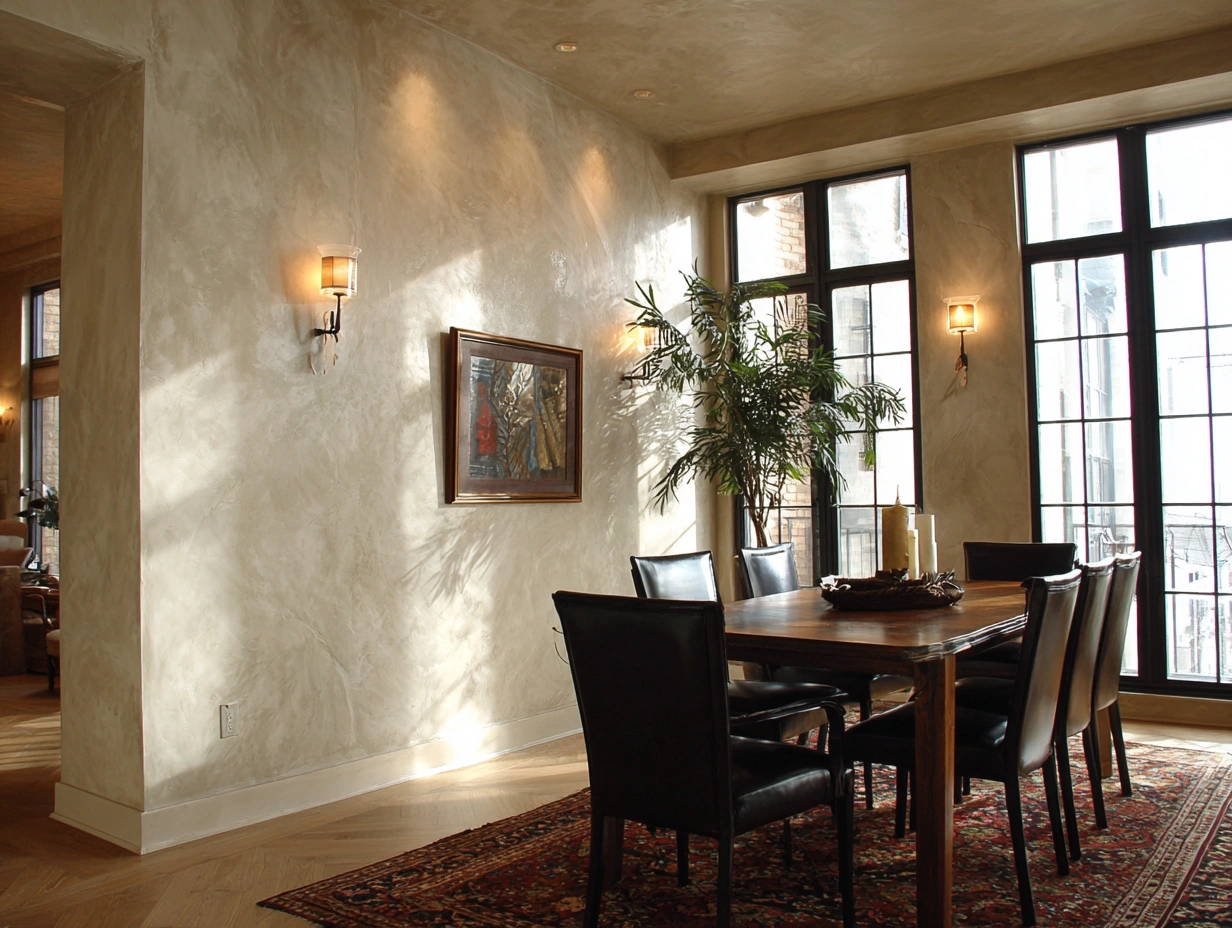


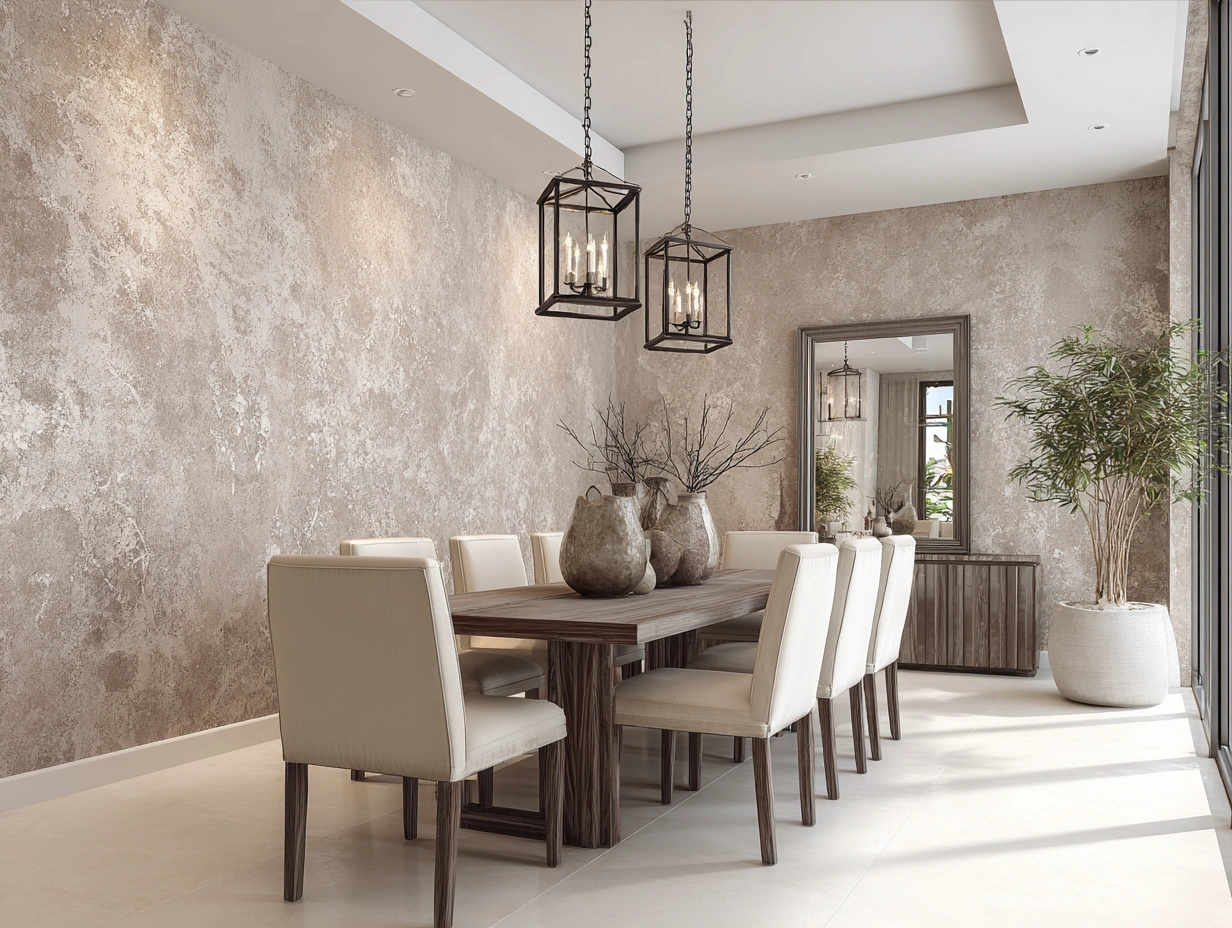
Venetian plaster, a traditional finishing technique, originates from Italy, particularly associated with the Venetian region, where it has been used for centuries. This luxurious wall treatment is made from a mixture of slaked lime, marble dust, and natural pigments, providing a unique texture and depth that enhances the aesthetic of any space. The ancient artisans of Venice mastered the craft, using it not only for walls but also for ceilings and decorative elements, reflecting their cultural significance.
The historical importance of Venetian plaster can be traced back to the Renaissance period, where it was commonly applied in palaces, churches, and important public buildings. This technique allowed for a range of finishes, from subtle to dramatic, giving architects and decorators the flexibility to achieve their envisioned ornate designs. Its ability to mimic the appearance of marble and stone made it a coveted material in high-end interior design, further cementing its status within the realm of fine art and architecture.
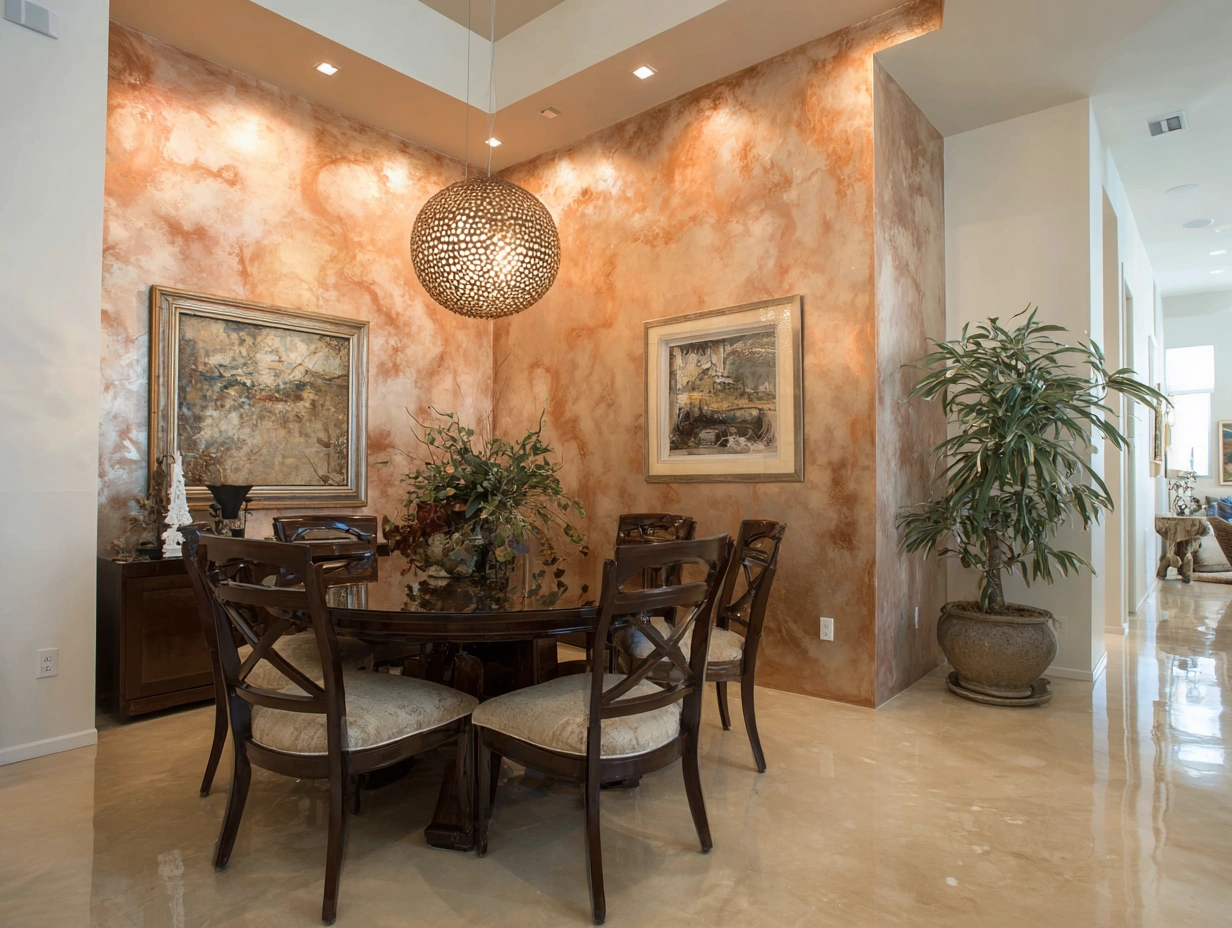
Over time, Venetian plaster has evolved, adapting to contemporary design trends while still honoring its rich heritage. Modern variations include synthetic additives that enhance durability and ease of application. When applied correctly, Venetian plaster creates an elegant finish characterized by its smoothness and characteristic sheen. Homeowners can choose from a variety of colors and textures, allowing for customization that aligns with their design preferences. This adaptability and timeless appeal explain why Venetian plaster continues to be a favored choice for those looking to elevate their interiors.
When considering options for enhancing the aesthetics of your dining room, Venetian plaster stands out as an exceptional choice. Its unique composition and application process result in a surface that exudes elegance and sophistication, adding a refined touch to any space. The aesthetic appeal of Venetian plaster is primarily attributed to its ability to create a rich, multi-dimensional finish that reflects light beautifully. This versatility means it can elevate the overall ambiance, whether your dining room embodies a modern, minimalist design or leans towards traditional, ornate decor.
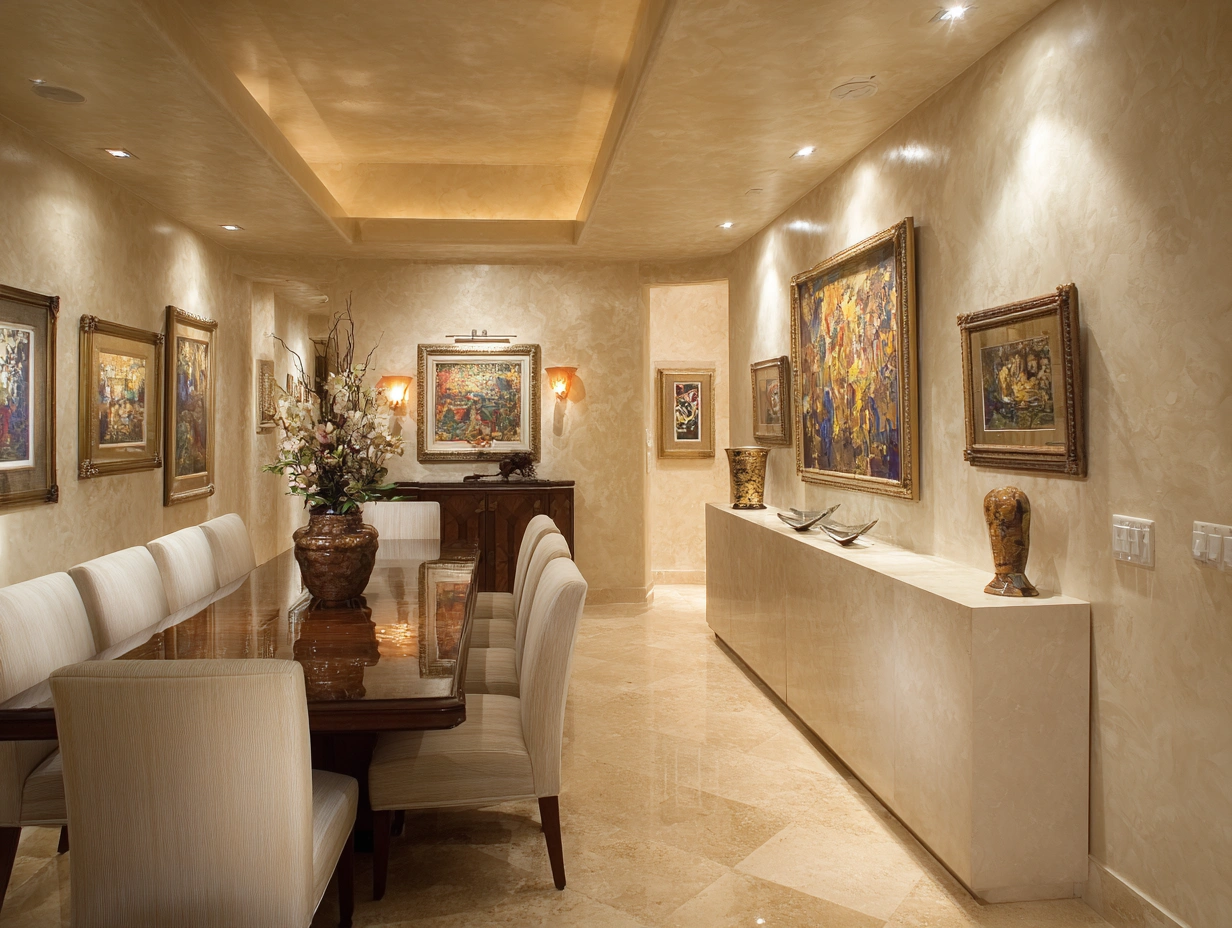
Durability is another significant benefit of Venetian plaster. Once properly applied and cured, it forms a resilient surface that can withstand the rigors of daily life. Unlike conventional paint, which may chip or fade over time, Venetian plaster maintains its integrity, ensuring that your dining room remains visually stunning for years. This longevity makes it a cost-effective solution in the long run, as it minimizes the need for frequent touch-ups or repainting.
In terms of maintenance, Venetian plaster is remarkably easy to care for. Its smooth surface allows for straightforward cleaning, reducing the accumulation of dust and grime, which can be particularly advantageous in spaces where family and guests gather for meals. A simple wipe with a damp cloth is typically all that is required to keep it looking fresh.
Furthermore, Venetian plaster provides unique texture and depth that can significantly enhance your dining room’s character. The nuanced variations in color and texture enable you to create a personalized ambiance, setting the perfect backdrop for memorable dining experiences. Overall, the choice of Venetian plaster for your dining room decor promises not only beauty but also practicality, making it an admirable selection for any homeowner.
How to Incorporate Venetian Plaster into Your Dining Room Design
Integrating Venetian plaster into your dining room design can transform it into a stylish and inviting space. To begin, choose a color palette that harmonizes with your overall decor. Soft, muted tones such as creams, light grays, or pastel shades can create a subtle backdrop that enhances the room’s ambiance. Alternatively, vibrant colors like deep blues or rich greens may serve as a bold statement, drawing attention and adding depth to the environment.
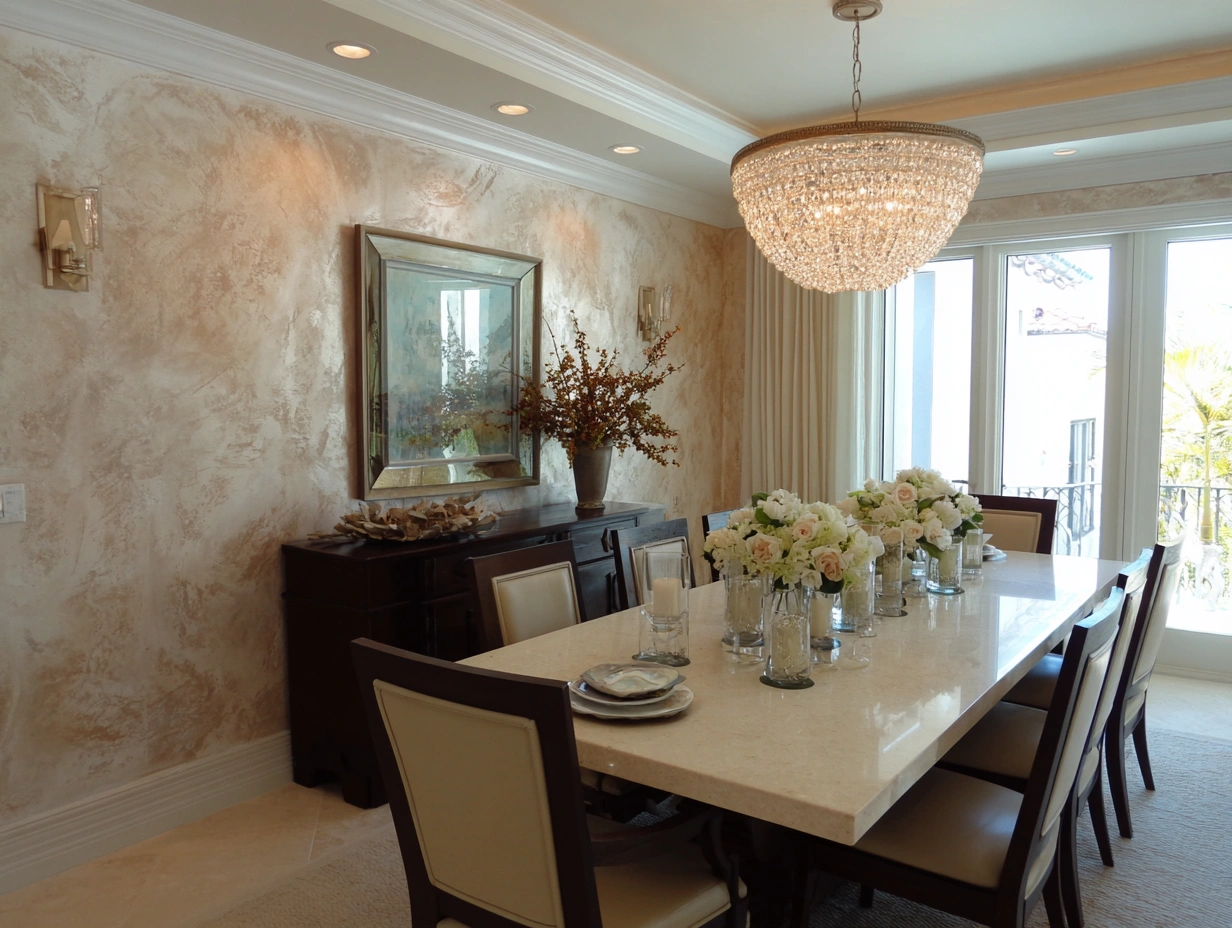
Patterns also play a crucial role in the application of Venetian plaster. A smooth finish provides a classic look, while an antiqued or textured finish can contribute a unique character. Consider using a trowel to create various textures, allowing you to personalize the application based on your aesthetic preferences and the existing furnishings.
When selecting furniture to pair with Venetian plastered walls, focus on pieces that complement the chosen color scheme. Natural wood tones, sleek metal, or soft upholstery can create a beautiful balance. Additionally, incorporating pieces with texture can enhance the visual appeal of the room. For instance, a wooden dining table paired with fabric-covered chairs can create warmth against the polished walls.
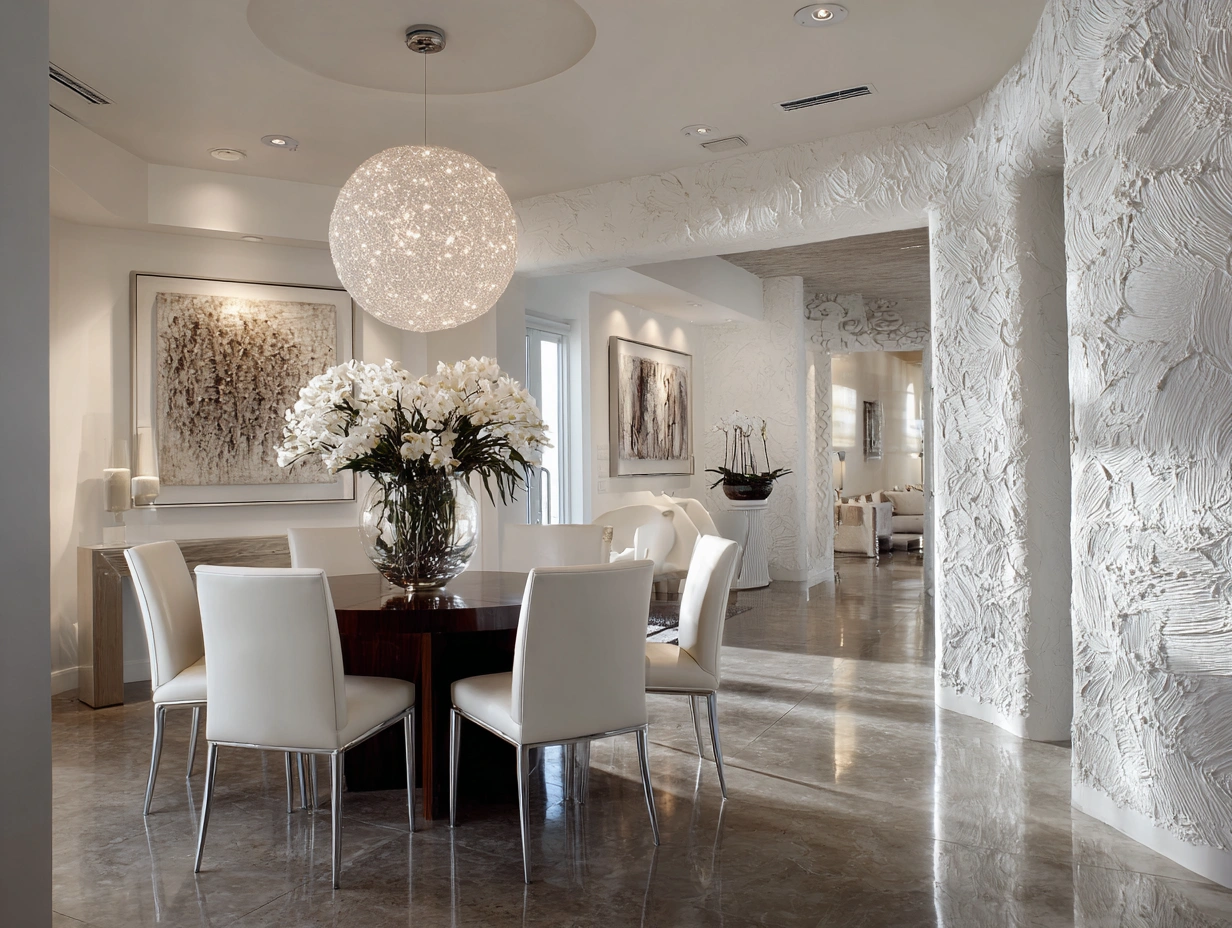
Specific areas in the dining room where Venetian plaster can be effectively applied include accent walls, ceilings, or even furniture pieces, such as the sideboard. An accent wall featuring Venetian plaster draws the eye and serves as a focal point, while a plastered ceiling can elevate the overall design, adding an unexpected element of sophistication. Even a table in a dining room can benefit from a Venetian plaster finish, creating a cohesive and chic look throughout the space.
Maintenance and Care for Venetian Plaster Walls
Maintaining Venetian plaster walls requires a careful approach to ensure that their beauty and durability are preserved over time. The first aspect to consider is cleaning. To keep your Venetian plaster walls looking fresh, gently clean them with a soft, damp cloth or sponge. It is essential to avoid harsh chemicals or abrasive materials as they can damage the delicate finish. For tougher stains, a mild soap solution can be used, followed by a rinse with a damp cloth to remove any residue.
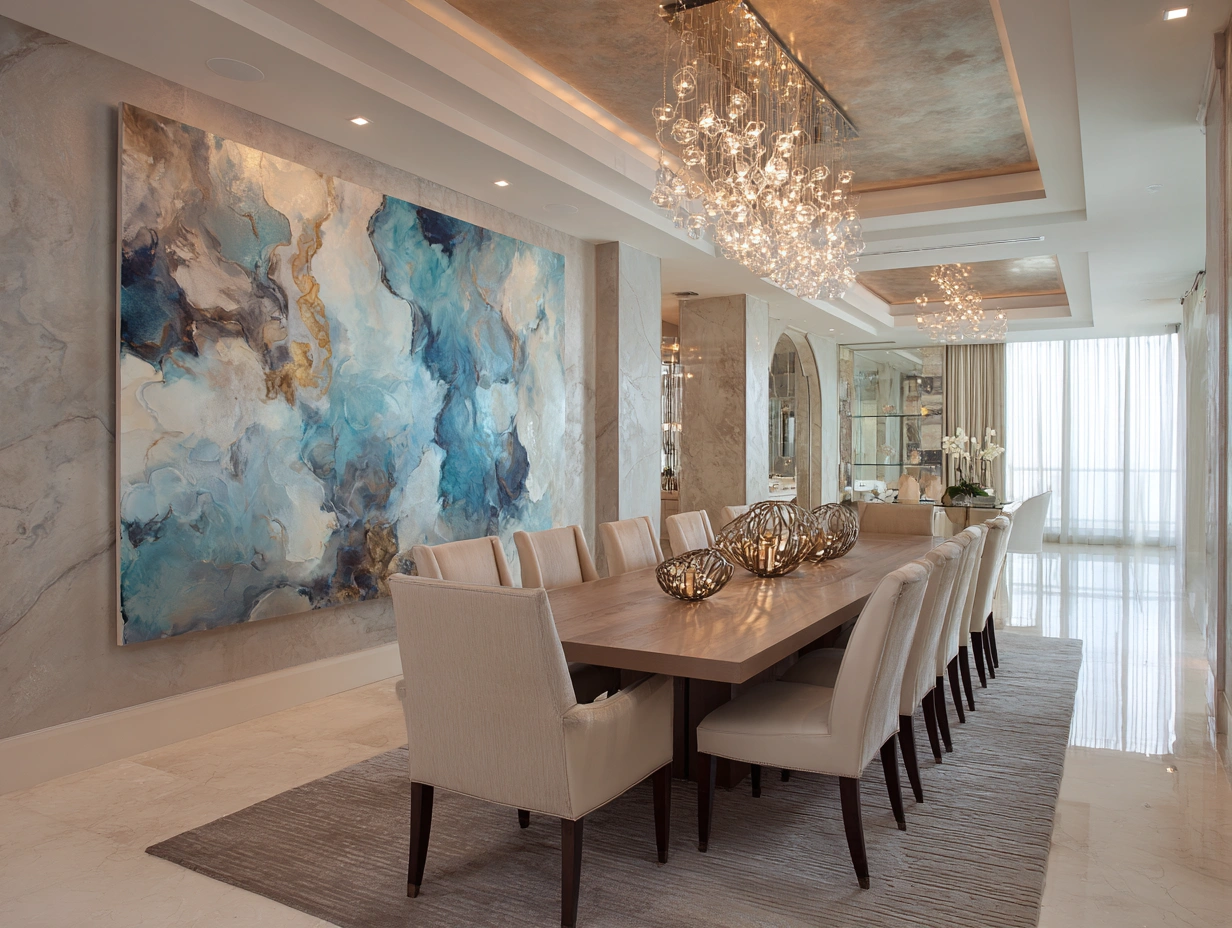
When it comes to scratches or marks, addressing them promptly is crucial. Minor scratches can often be repaired by applying a thin layer of matching plaster with a putty knife, feathering the edges for a seamless appearance. Allow the patch to dry completely before applying a thin layer of wax or sealer to protect the area and enhance the overall finish. It’s advisable to perform these touch-ups periodically to keep the walls looking pristine.
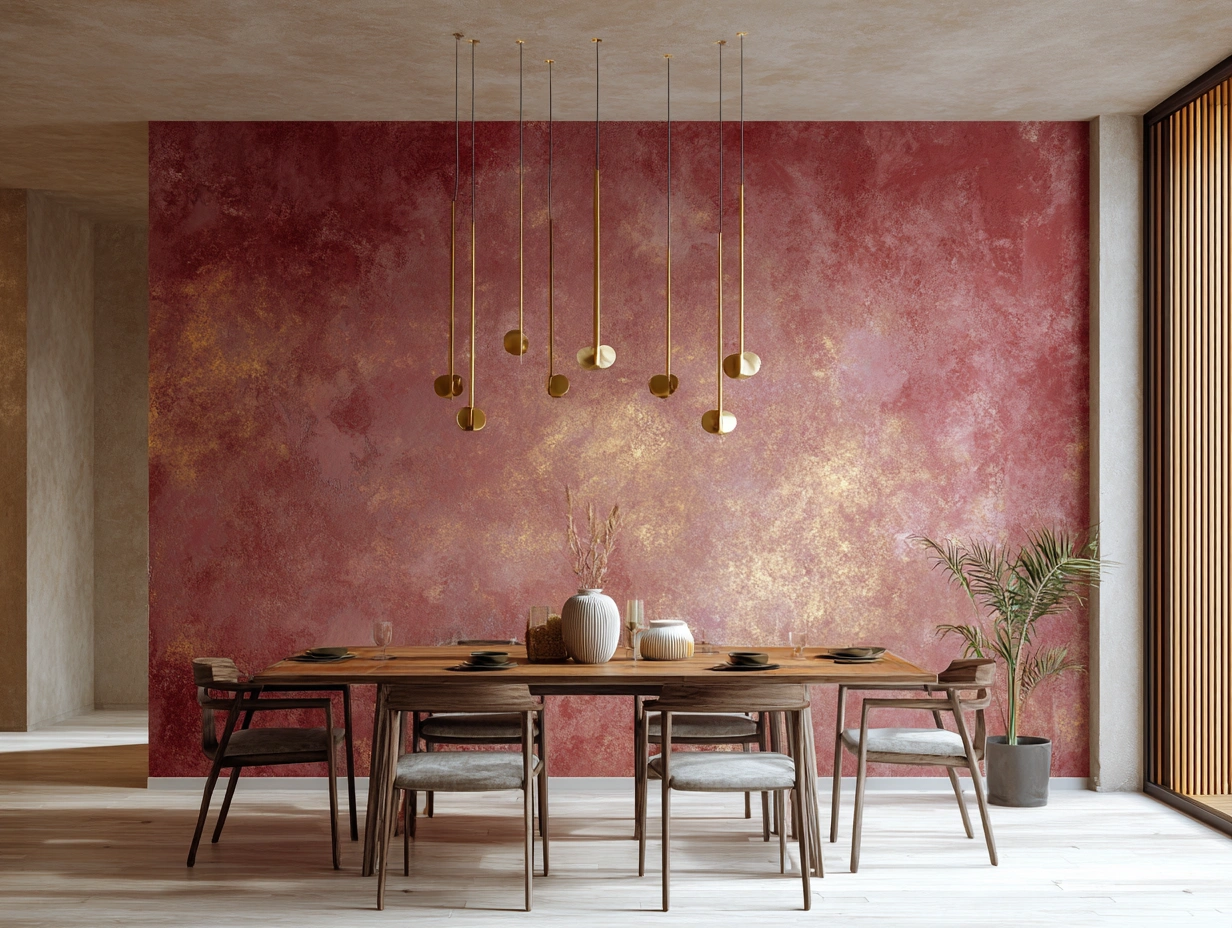
To prolong the life of your Venetian plaster, consider applying a protective wax overlay every few years. This treatment not only adds a layer of protection against moisture and stains but also enhances the luster of the plaster. Be cautious of excessive moisture, as it can lead to mold growth or deterioration of the plaster finish. Ensure proper ventilation in the dining room, especially in areas prone to humidity, to mitigate potential issues.
Lastly, it is beneficial to periodically inspect your walls for signs of wear. Keeping an eye out for cracks or discoloration will allow for timely intervention, ensuring that your Venetian plaster walls retain their beauty for years to come. By following these maintenance practices, you can keep your dining room’s decor vibrant and stylish.